MGM Anand Muthu’s Green Stays Vision: Zero-Waste opulence

New Delhi [India], January 27: In 2026, the global conversation around luxury has undergone a radical transformation, moving away from mindless excess toward the urgent mandate of sustainability. For decades, the hospitality sector was synonymous with splurge and opulence, a world of curated extravagance where environmental impact was often an afterthought.
However, as climate consciousness becomes the ultimate luxury, the industry has reached a turning point where a hotel’s “green” credentials are as prestigious as its star rating.
Leading this charge in India is the MGM Group, a multifaceted conglomerate that has successfully redefined the intersection of high-end service and ecological responsibility.
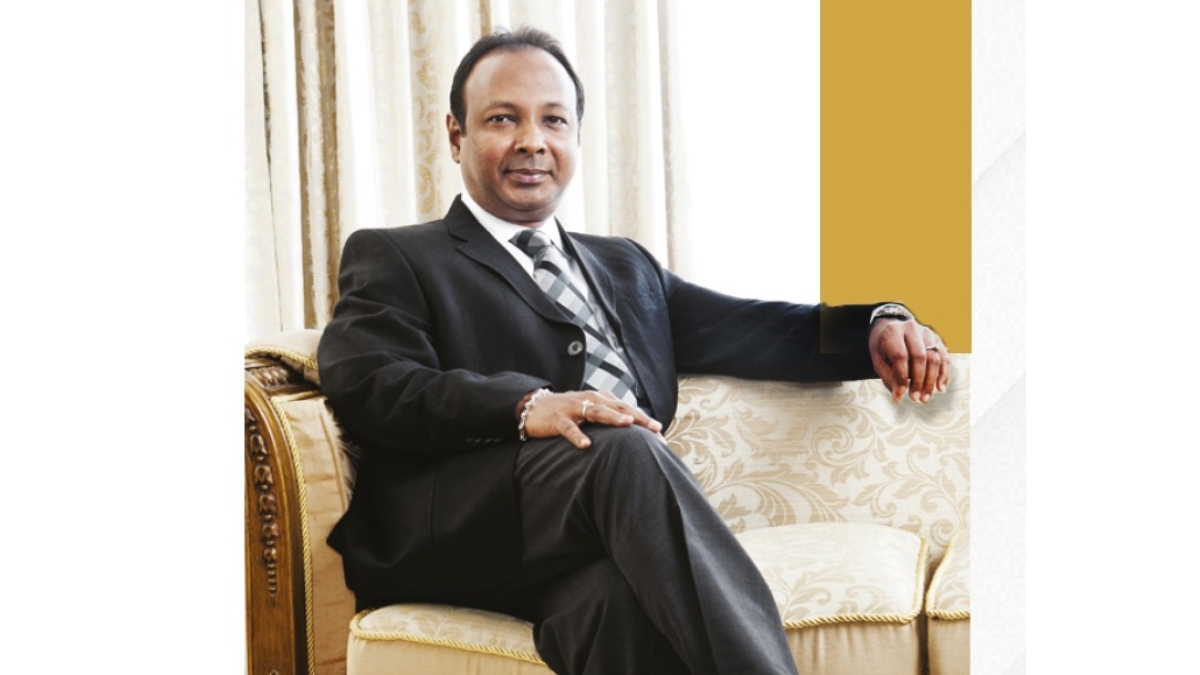
At the heart of this evolution is MGM Anand Muthu, the Group Managing Director, whose stewardship has steered the group’s global hospitality wing, MGM Muthu Hotels, toward a future of “conscious hospitality.”
Since making its pioneering foray into the hospitality sector in 1991, the MGM Group has maintained an unrelenting trajectory of growth, evolving from a domestic presence into a formidable global powerhouse.
Today, the branches of MGM Hotels & Resorts extend far beyond the Indian horizon, spanning a diverse international portfolio that includes Kenya, Portugal, the United Kingdom, Spain, Cuba, and, most recently, France. With over 8,000 rooms across more than 50 properties throughout India, Europe, and the Caribbean, the group’s expansion is matched only by its commitment to responsible growth.
“In 2026, sustainability has transitioned from a corporate ‘nice-to-have’ to the defining metric of business survival in the hospitality sector.” Says Anand Muthu.
This shift is driven by the industry’s significant footprint; hotels are among the largest consumers of water and energy, and a decisive change in traveller behaviour, with over 73% of global travellers now actively seeking accommodations that care for the planet.
The economic shift toward environmental stewardship is clearly reflected in market forecasts and consumer sentiment data. According to the Global Sustainable Tourism Market Report, the sector is projected to expand at a Compound Annual Growth Rate (CAGR) of 12.9% to 14% through the early 2030s, significantly outstripping the growth of traditional mass tourism.
This financial momentum is fueled by a massive shift in public values; the 2025 Booking.com Sustainable Travel Report reveals that approximately 83% to 84% of global travellers now consider sustainable travel a vital factor in their trip planning. This is not merely a preference but a tangible economic driver, as the study further notes that over 60% of travellers are now willing to pay a premium for services from businesses that demonstrate a genuine commitment to environmental protection.
MGM Anand Muthu believes, “The world has finally awakened to the stark reality that sustainability is no longer a choice, but a lifeline; we have seen the ghost of a future without it, the erosion of landscapes and the loss of local heritage, and we now understand the true cost of silence.”
“It is profoundly encouraging to see the industry and the traveller finally speaking the same language of preservation, proving that the greatest luxury we can offer today is a world that remains vibrant and whole for the generations that follow.” He adds.
The perceived conflict between indulgence and impact has been dismantled by the realisation that sustainability and luxury are, in fact, two sides of the same coin. True luxury today is defined not by excess, but by the exclusivity of a pristine environment and the peace of mind that comes from “guilt-free” opulence.
At MGM properties, this philosophy is brought to life through a sophisticated operational model where high-end comfort is powered by invisible, eco-conscious engineering. Across their resorts in ECR Chennai, Bangalore, and beyond, the group has integrated practices like renewable energy sourcing and massive closed-loop water harvesting systems that ensure guest comfort remains uninterrupted even in resource-stressed regions.
These efforts extend into the culinary experience, where the “farm-to-fork” initiative ensures that the world-class dining guests expect is built on a foundation of hyper-local, organic sourcing that dramatically slashes food miles.
This symbiotic relationship proves that when luxury is designed with a conscience, it creates a superior guest experience, one where the grandeur of the stay is matched by the integrity of its environmental legacy.
If you object to the content of this press release, please notify us at [email protected]. We will respond and rectify the situation within 24 hours.